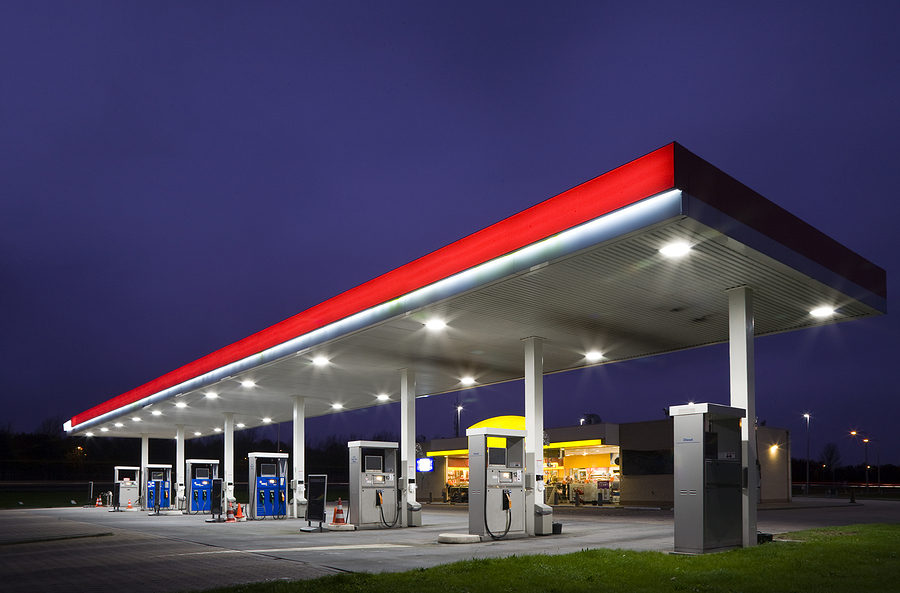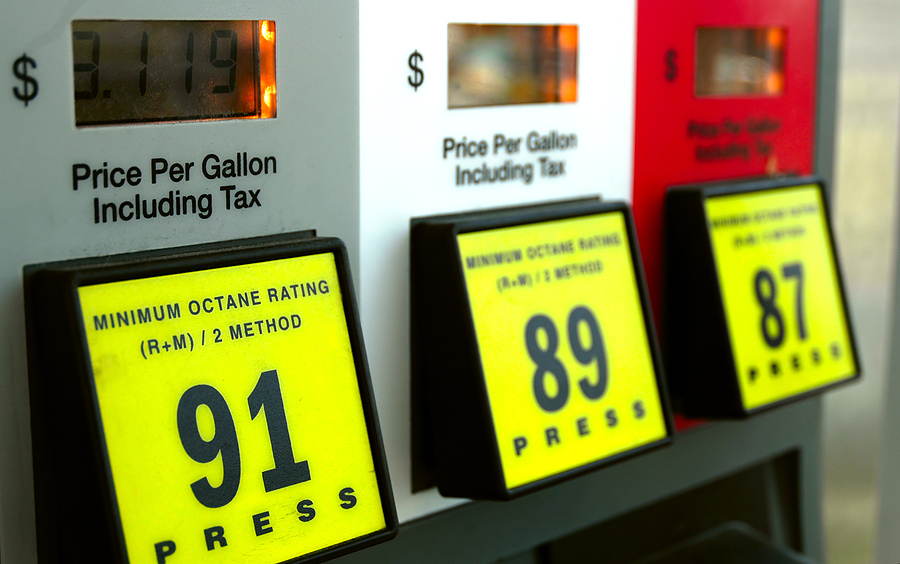
Gas prices in the United States are rising rapidly due to a combination of factors that have disrupted both supply and demand. One significant reason is the ongoing global oil market volatility. Geopolitical tensions, especially involving major oil-producing countries, have affected crude oil supply chains. Events such as conflicts, sanctions, or production cuts can lead to immediate spikes in crude oil prices, which directly impact gasoline costs.
Additionally, post-pandemic demand recovery has put further strain on supply. As economies reopen, consumer demand for gasoline has surged, often outpacing the ability of refineries to produce it. This imbalance creates upward pressure on prices, especially during peak travel seasons.
Moreover, inflation has led to increased operational costs for oil companies, who must spend more on labor, transportation, and refining. Environmental regulations and shifts towards renewable energy can also complicate the landscape, leading to transitions that momentarily constrain supply.
Lastly, seasonal maintenance at refineries can limit production in certain months, creating temporary shortages that drive prices higher. The combination of these elements paints a complex picture of rising gas prices, affecting everyday consumers and prompting discussions about energy independence and sustainability in the long run.
For more details and the full reference, visit the source link below: