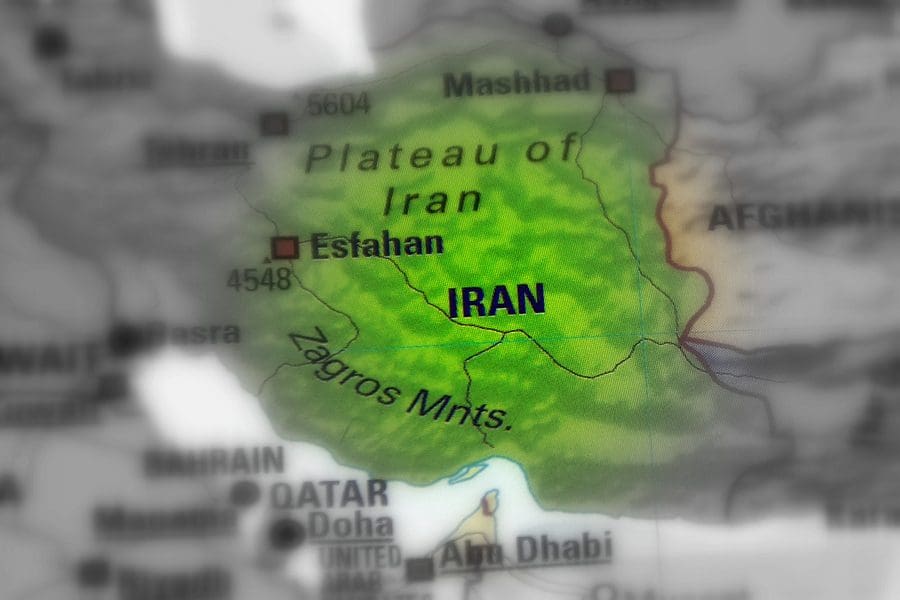
The situation in the Strait of Hormuz has intensified as the United States has completed its 12th consecutive night of airstrikes targeting Iranian positions. This escalating military response comes amid rising tensions, with the U.S. aiming to assert its influence and deter what it perceives as aggressive actions by Iran in this strategically critical waterway. The Strait of Hormuz is vital for global oil shipments, making any conflict here a concern for international security and energy markets.
The airstrikes represent a significant escalation in U.S. military involvement in the region, igniting debates over the potential for a broader conflict. U.S. officials have justified these actions by citing threats to freedom of navigation and the safety of shipping routes essential for world trade. Iran, on the other hand, has vowed to retaliate against any form of aggression, raising the stakes in this high-stakes standoff.
The situation is further complicated by internal and external political pressures facing both nations. As diplomatic channels remain strained, military options appear to dominate the discourse, heightening fears of miscalculations that could lead to catastrophic consequences. Observers worldwide are watching closely, as the possibilities for de-escalation seem increasingly slim amidst the backdrop of ongoing hostilities.
For more details and the full reference, visit the source link below: