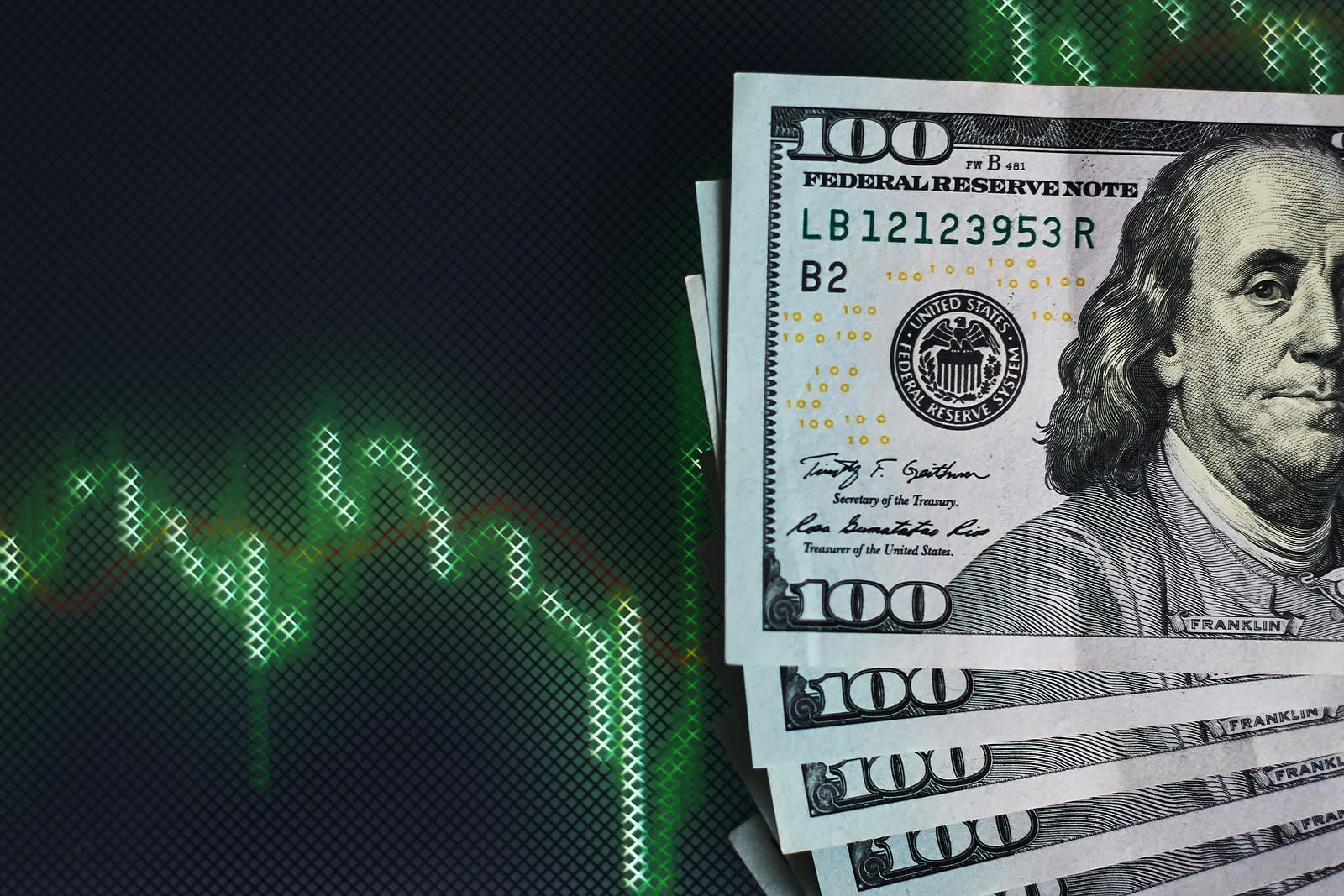
The recent surge in the U.S. Dollar Index (DXY) can be attributed to the escalating conflict in Iran, which has sent ripples through global markets. As tensions rise, investors tend to flock to safe-haven assets, and the U.S. dollar often emerges as the preferred choice due to its status as the world’s primary reserve currency.
The geopolitical instability has resulted in increased volatility in commodities, particularly oil, driving prices upward and affecting global inflationary pressures. As oil prices escalate, economies heavily reliant on energy imports face strain, leading to further currency fluctuations.
Market participants are closely monitoring the Federal Reserve’s response to these developments, as rising inflation may compel the Fed to adjust interest rates. A stronger dollar could potentially hinder U.S. exports, raising concerns about economic growth amid global uncertainties.
Furthermore, shifts in investor sentiment may ripple across emerging markets, where currencies are often vulnerable during times of geopolitical turmoil. As nations react to the U.S.’s moves and the ongoing conflict, the global financial landscape appears poised for continued turbulence. Overall, the U.S. Dollar Index’s expansive trajectory highlights the intricate interplay between geopolitics and market dynamics, emphasizing its pivotal role in global finance.
For more details and the full reference, visit the source link below: