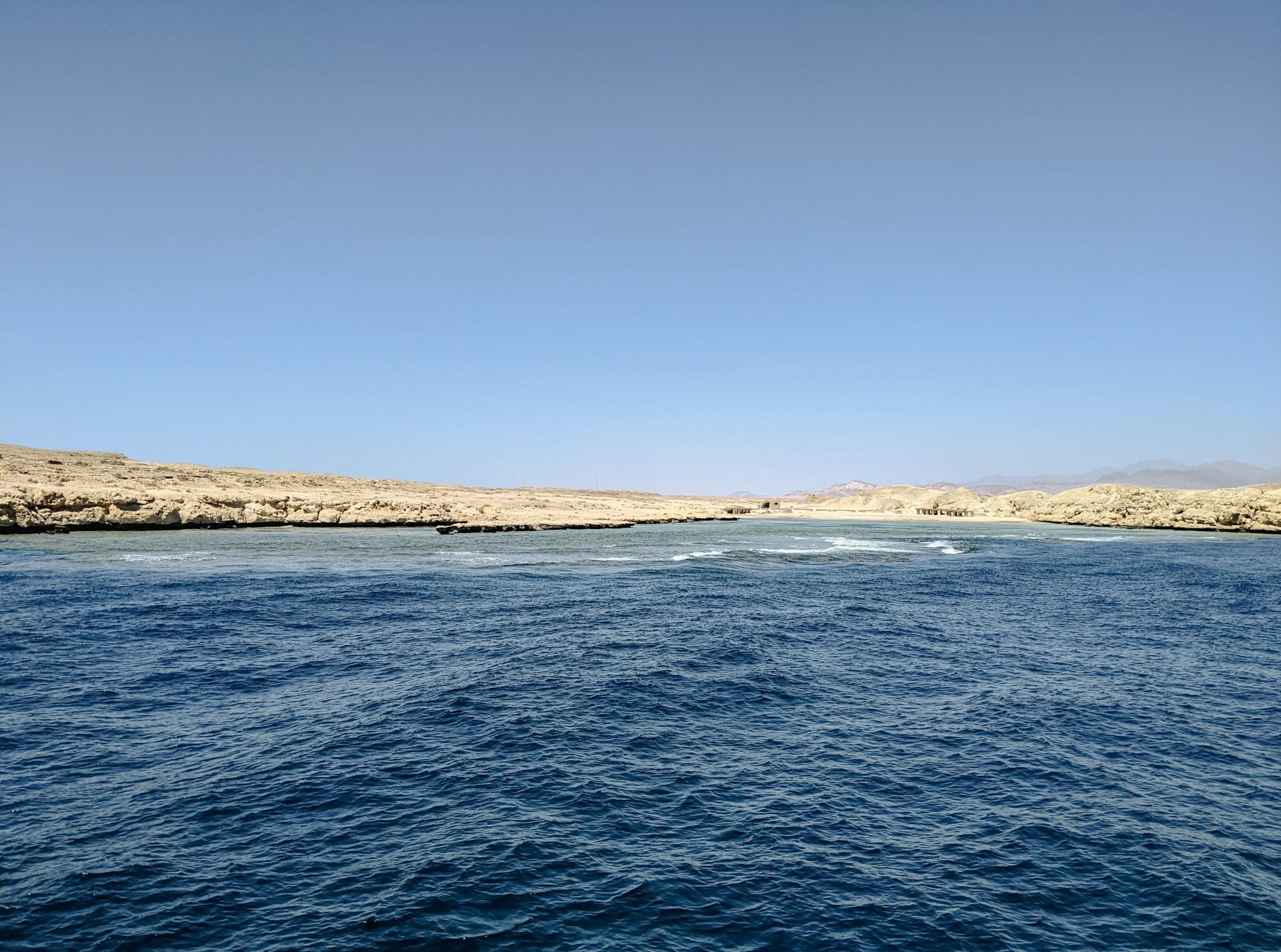
Mine clearance in the Strait of Hormuz is a complex and time-consuming process that could take several weeks to complete. The strategic waterway, essential for global oil shipping, has recently seen increased military tensions, prompting fears of underwater mines being deployed. Clearing these mines requires careful planning and execution to ensure safety for both personnel and maritime traffic.
Experts utilize advanced technologies, including remotely operated vehicles (ROVs) and sonar systems, to locate and identify mines on the seabed. The intricacies involved in surveying the area pose significant challenges, particularly in the face of potential hostile activities in the region. A thorough assessment must be conducted to determine the extent and nature of the mines, which may vary in type and deployment method.
Additionally, the international implications of the clearance operation cannot be overlooked. Joint efforts from multiple nations may be necessary to ensure both efficiency and safety, as the Strait is a critical passage for oil transport, impacting economies worldwide. The collaborative nature of such operations often leads to delays due to logistical coordination and diplomatic considerations.
In summary, mine clearance in this vital maritime corridor is a delicate task requiring extensive resources, time, and international cooperation to ensure the safe passage of vessels and to prevent potential ecological hazards.
For more details and the full reference, visit the source link below:
Read the complete article here: https://www.stl.news/strait-hormuz-mine-clearing-delays/