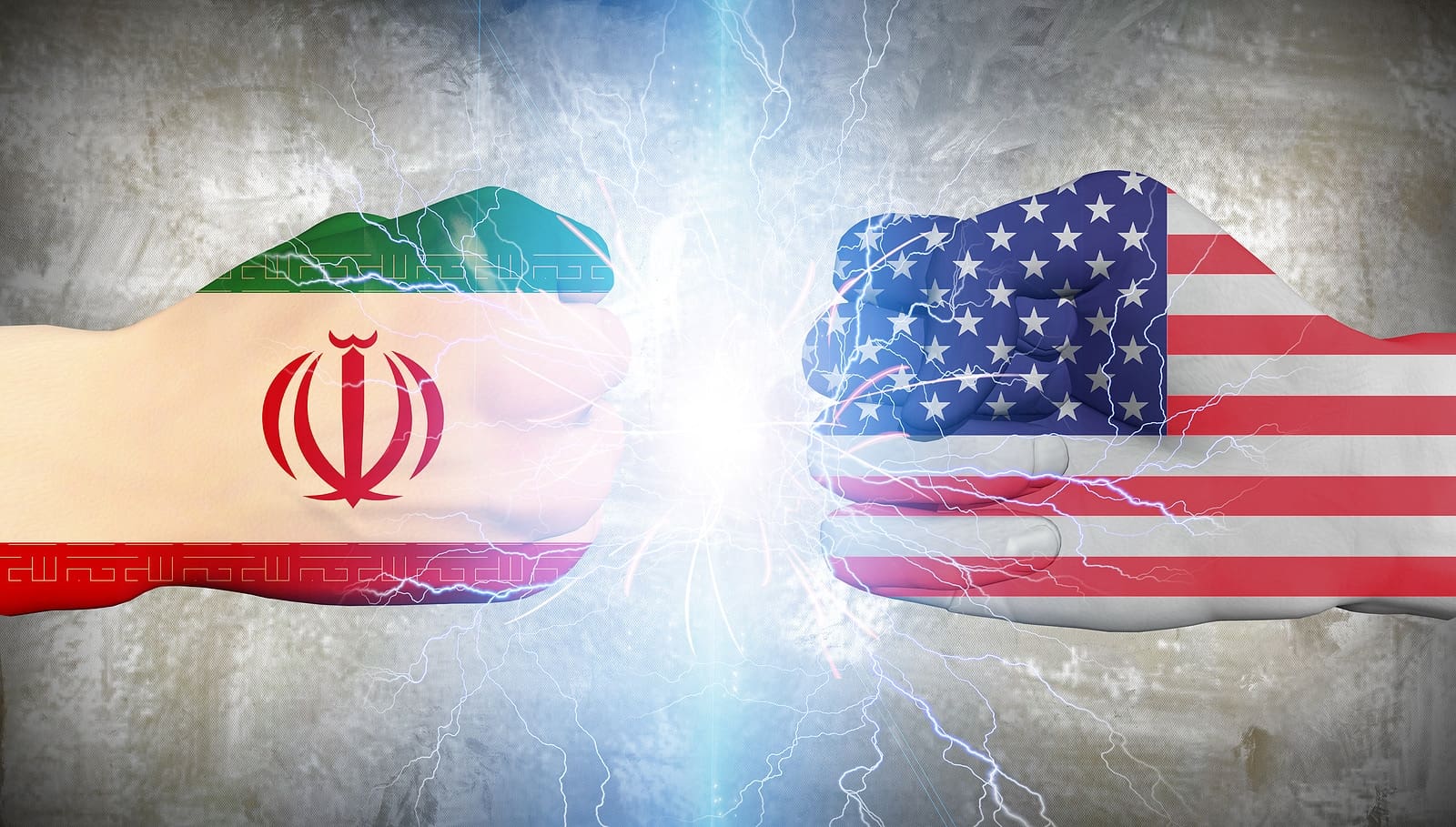
The Hormuz Crisis has escalated dramatically, casting a shadow over the recent Memorandum of Understanding (MoU) signed in Islamabad just ten days prior. This fragile agreement was intended to foster regional stability among key players involved in maritime security in the Strait of Hormuz, a vital global shipping route. However, rising tensions have sparked kinetic strikes that threaten to unravel diplomatic efforts.
In a rapid series of military engagements, both local and foreign forces engaged in confrontations, igniting fears of a broader conflict. The strikes highlight the precarious balance of power in the region and the deep-seated grievances that continue to fester among nations surrounding this critical waterway.
Officials in Islamabad have expressed dismay, noting that the violence undermines the spirit of cooperation envisioned in the MoU. The promise of dialogue and conflict resolution appears overshadowed by the realities of military posturing and armed responses. This situation not only jeopardizes the safety of maritime commerce but also complicates international relations, raising the stakes for global powers with vested interests in the region.
As the crisis unfolds, the international community watches closely, hopeful for de-escalation, yet apprehensive of the potential for a larger military confrontation.
For more details and the full reference, visit the source link below: