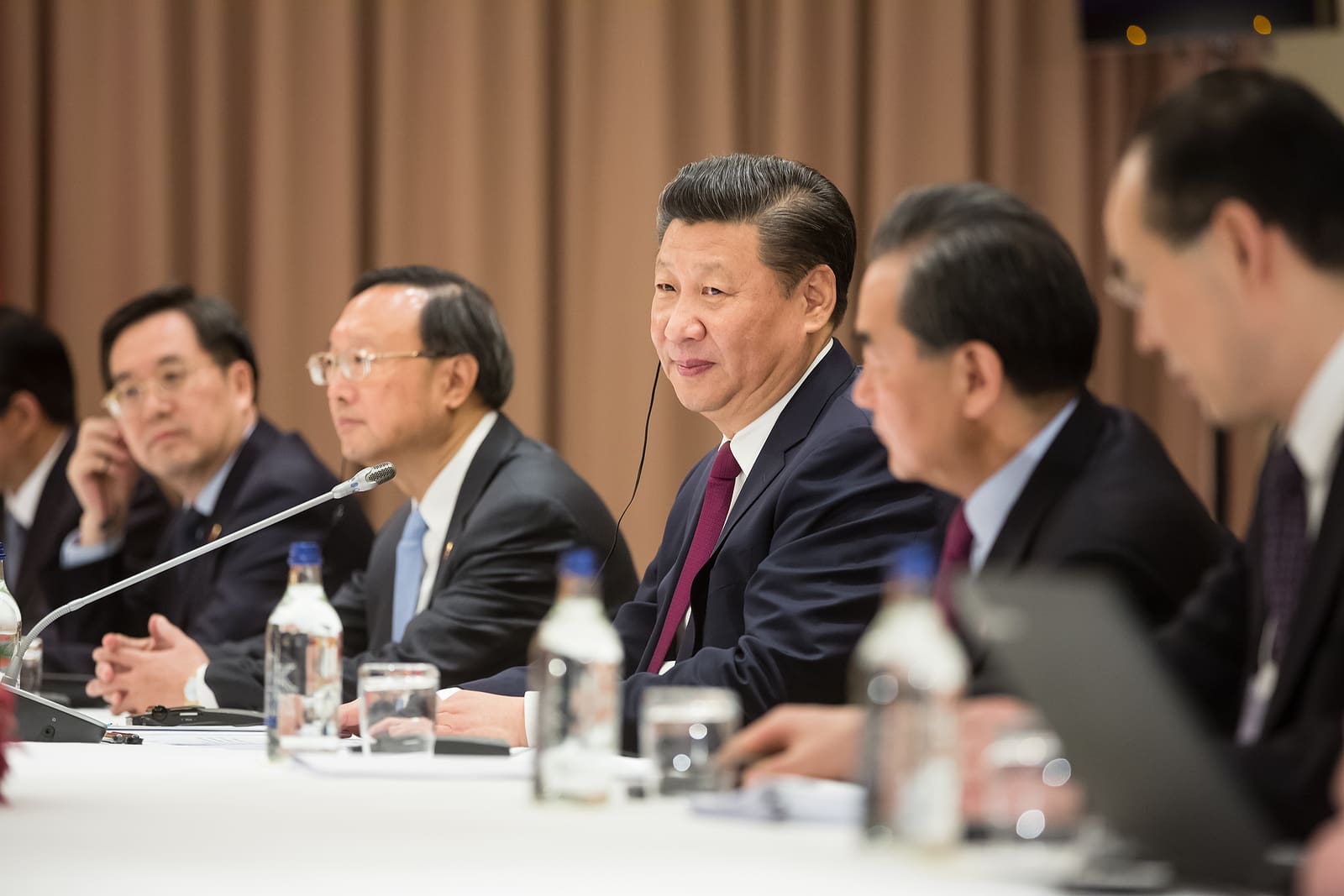
China’s most powerful modern leader is undoubtedly Xi Jinping, who has held the presidency since 2013. Under his leadership, Xi has significantly consolidated power, becoming a central figure in Chinese politics both domestically and globally. His ideology, termed “Xi Jinping Thought,” was enshrined in the Communist Party’s constitution, reflecting his ambition to shape the future of the party and the nation.
Xi’s administration is characterized by aggressive economic reforms aimed at transitioning China into a more innovation-driven economy. He has initiated major initiatives, such as the Belt and Road Initiative, which seeks to enhance global trade and infrastructure development, positioning China as a dominant player on the world stage.
Domestically, Xi has maintained strict control over the political landscape, curbing dissent and reinforcing party loyalty. His government has implemented extensive surveillance systems and social credit systems to monitor citizens, ensuring adherence to party policies.
Internationally, Xi’s assertive foreign policy has sparked both respect and concern among global leaders, particularly regarding issues in Hong Kong, Xinjiang, and Taiwan. His leadership has redefined Chinese nationalism and reinforced the Communist Party’s authority, making Xi Jinping a pivotal figure in 21st-century geopolitics.
For more details and the full reference, visit the source link below: