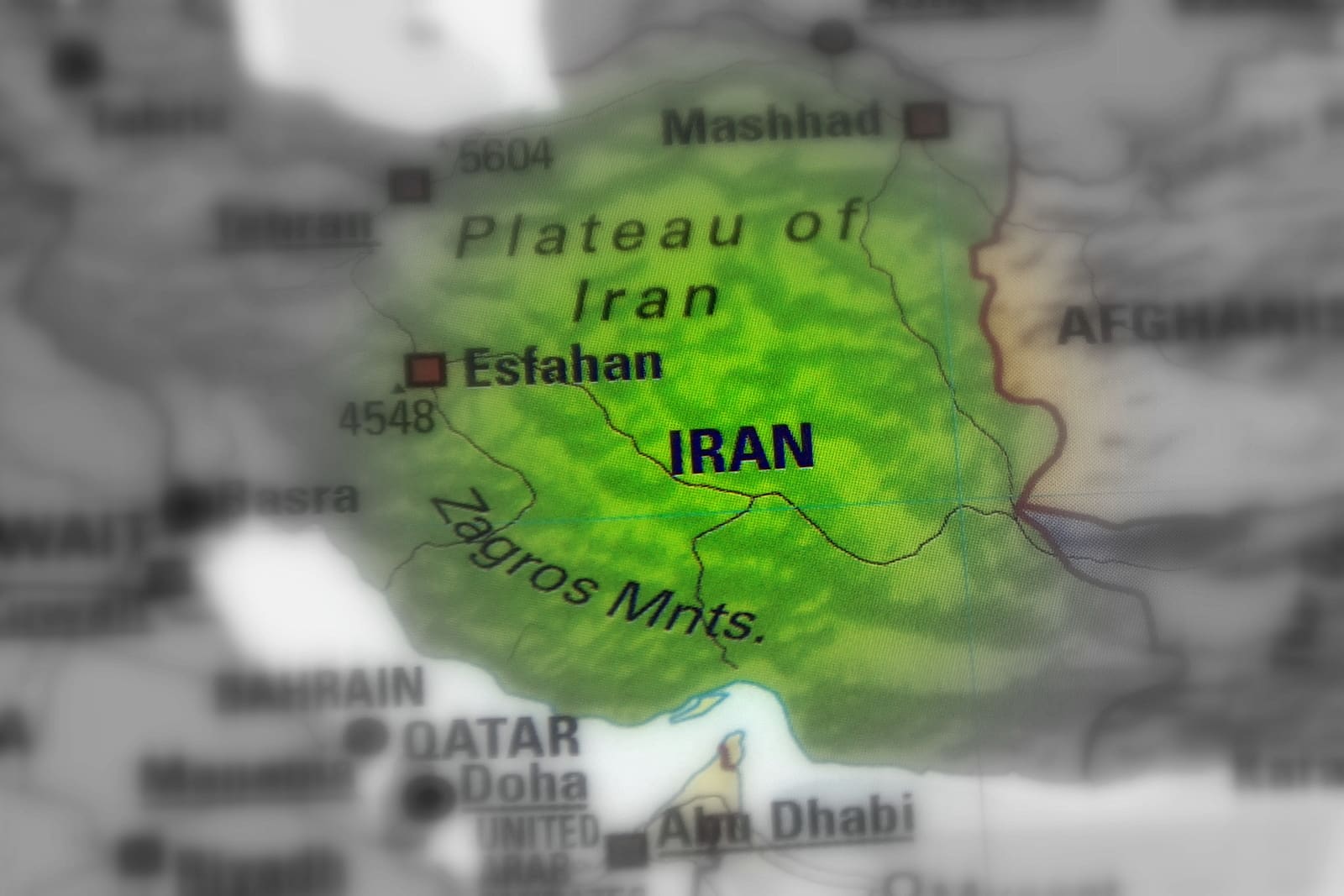
As rising tensions in the Middle East contribute to fluctuations in global oil markets, Iran’s leadership has stepped into the spotlight. The geopolitical landscape is increasingly volatile, with recent events creating uncertainty among investors and energy consumers alike. The Iranian leadership, keenly aware of their influence over oil supply, has reiterated their commitment to maintaining stability in the region, particularly in the Strait of Hormuz, a critical chokepoint for oil transport.
Iran’s oil exports have been heavily impacted by international sanctions, but recent upticks in regional tensions have led many to speculate about potential disruptions. The Iranian government is leveraging this environment, hinting at possible retaliatory measures should hostilities escalate. Analysts suggest that any significant disruption in Iranian oil supply could lead to a surge in global oil prices, further stressing economies already grappling with inflation.
Amidst these dynamics, Iran’s leadership is promoting a narrative of resilience and strategic importance in the global energy landscape. Engaging in diplomatic efforts while bolstering military readiness, Iran seeks to assert its role as a key player in oil markets. As tensions mount, the world watches closely, anticipating how Iran’s actions will influence not only its own economy but also global oil prices and supply chains.
For more details and the full reference, visit the source link below: