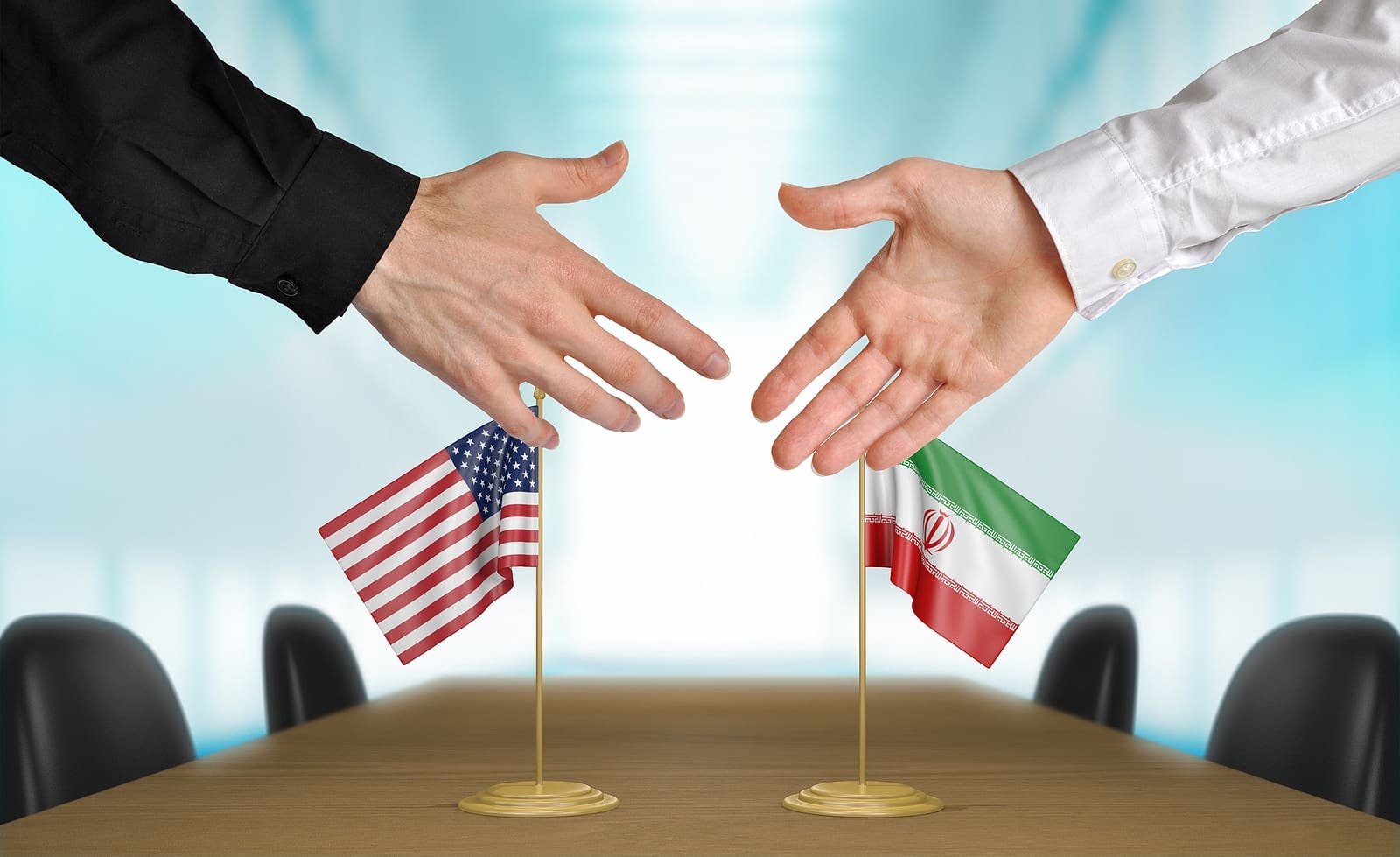
If Iran honors a peace agreement, the global economy could experience significant shifts. First and foremost, the lifting of sanctions would allow Iran to re-enter international markets, creating a surge in oil exports. This would likely stabilize oil prices, which have been volatile due to geopolitical tensions. Increased oil supply could lead to lower energy costs worldwide, benefiting industries reliant on energy and potentially leading to reduced inflation in various economies.
Furthermore, Iran’s reintegration into the global economy could stimulate opportunities for foreign investments. Countries eager to access Iran’s vast natural resources may funnel capital into the region, fostering infrastructure development and job creation. This influx of investment can contribute to economic growth in the Middle East and beyond.
Additionally, a peace agreement could pave the way for enhanced trade relationships not just with Iran but also among its neighbors, promoting regional economic cooperation. This collaboration could result in diversified supply chains that diminish reliance on Western markets, thereby strengthening economic resilience.
However, the implications of such an agreement would not be uniform. While some nations would benefit from increased trade and energy supply, others might experience disruptions, particularly countries heavily dependent on oil import revenues. Overall, honoring a peace agreement with Iran could herald a transformative period for the world economy, fostering stability and cooperation in the region.
For more details and the full reference, visit the source link below: