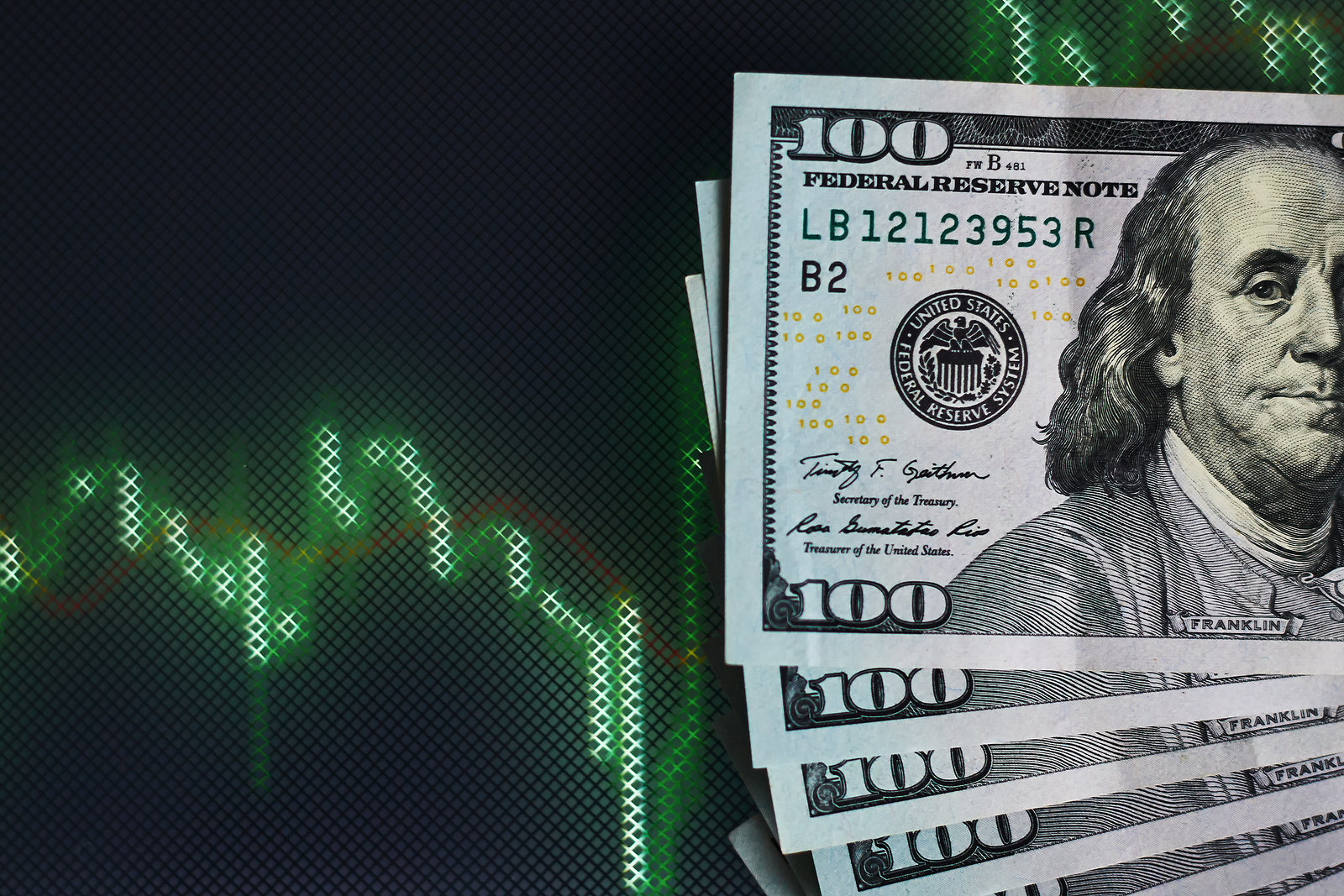
President Trump’s economic agenda, which emphasized deregulation, tax cuts, and an “America First” trade approach, had notable implications for the U.S. Dollar Index (DXY). The tax cuts introduced in 2017 aimed to spur economic growth by increasing consumer spending and corporate investment. This, in turn, fueled optimism among investors and contributed to the dollar’s strength as the economy showed signs of robust growth.
Moreover, Trump’s aggressive trade policies and tariffs sought to reshape trade relationships, particularly with China. These moves created volatility in global markets but also led to a perception of the U.S. dollar as a safe-haven currency amid geopolitical uncertainties, further supporting its value.
The Federal Reserve’s interest rate hikes during parts of Trump’s administration also played a crucial role. Higher interest rates generally bolster the value of the dollar, attracting foreign investment as yields are more appealing.
However, the long-term sustainability of these effects is debated. While initial policies strengthened the dollar, the subsequent economic challenges, including those stemming from the COVID-19 pandemic, tested this strength. Ultimately, while Trump’s policies initially contributed to strengthening the dollar, the broader economic outcomes and external factors have continued to influence its trajectory beyond his presidency.
For more details and the full reference, visit the source link below: