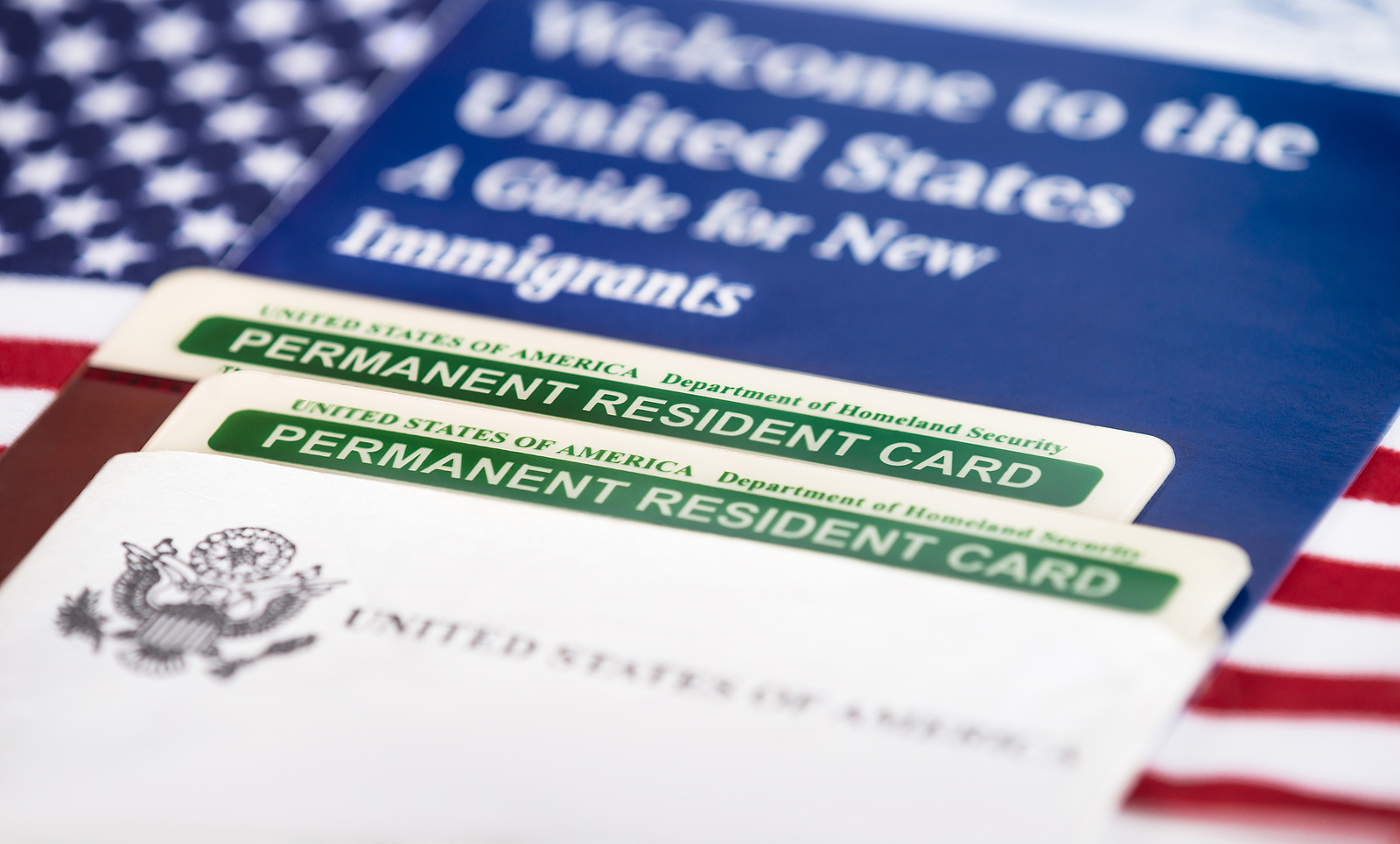
The Trump administration implemented significant changes to the U.S. immigration system, notably shifting green card processing overseas. This move aimed to streamline operations and reduce backlog in domestic processing centers. By redirecting certain applications to U.S. consulates abroad, the administration sought to enhance efficiency in adjudicating immigration cases, allowing applicants to undergo interviews and receive decisions in their home countries.
This strategy also served a political purpose, as it aligned with the administration’s rigorous stance on immigration control. By processing green cards overseas, the Trump administration intended to limit the influx of immigrants into the U.S., which resonated with its broader goal of prioritizing American workers and reducing perceived burdens on the immigration system.
However, the shift was not without controversy. Many critics argued that the changes exacerbated challenges for applicants, especially those from countries with limited U.S. consulates or those facing long wait times. The overseas processing also raised concerns about disparities in access to legal resources and support, potentially disadvantaging vulnerable populations.
Overall, while the Trump administration’s decision to shift green card processing abroad aimed to streamline operations, it sparked debates about the implications for applicants and the future of U.S. immigration policy.
For more details and the full reference, visit the source link below: