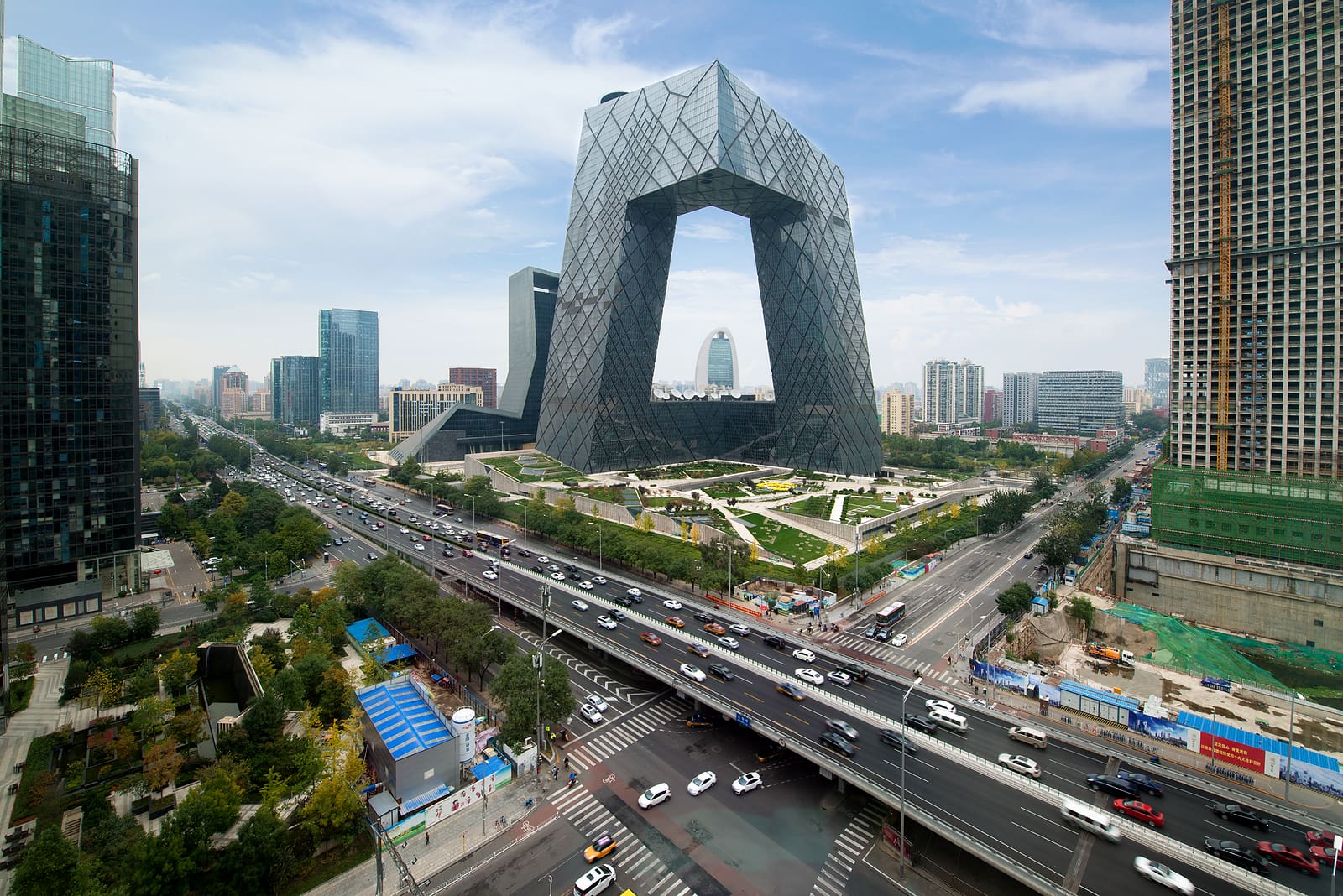
In recent years, the emergence of a global power has significantly reshaped international markets, influencing everything from trade dynamics to consumer behavior. This power, often characterized by rapid economic growth and technological advancement, has become a critical player in global supply chains. By implementing policies that promote innovation and investment, it enhances competitiveness and attracts foreign partnerships.
One of the most notable effects is the shift in manufacturing hubs. As this global power fosters efficient production processes, countries around the world align their manufacturing strategies accordingly. This reshaping results in lower costs and improved quality, benefiting consumers globally. Moreover, digital platforms and e-commerce expansion enable smoother transactions and greater access to diverse markets, pushing traditional businesses to adapt or risk obsolescence.
Additionally, environmental and labor standards are increasingly being influenced by this power’s practices. Companies worldwide are re-evaluating their sustainability initiatives, recognizing the necessity to meet new expectations for ethical operations.
The interconnectedness fostered by this global player also leads to heightened competition among nations and corporations. In this evolving landscape, adaptability and resilience are crucial for stakeholders seeking to thrive amidst continuous change and the pressures of globalization. Ultimately, this reshaping of markets signifies a shift towards a more integrated and interdependent world economy.
For more details and the full reference, visit the source link below: