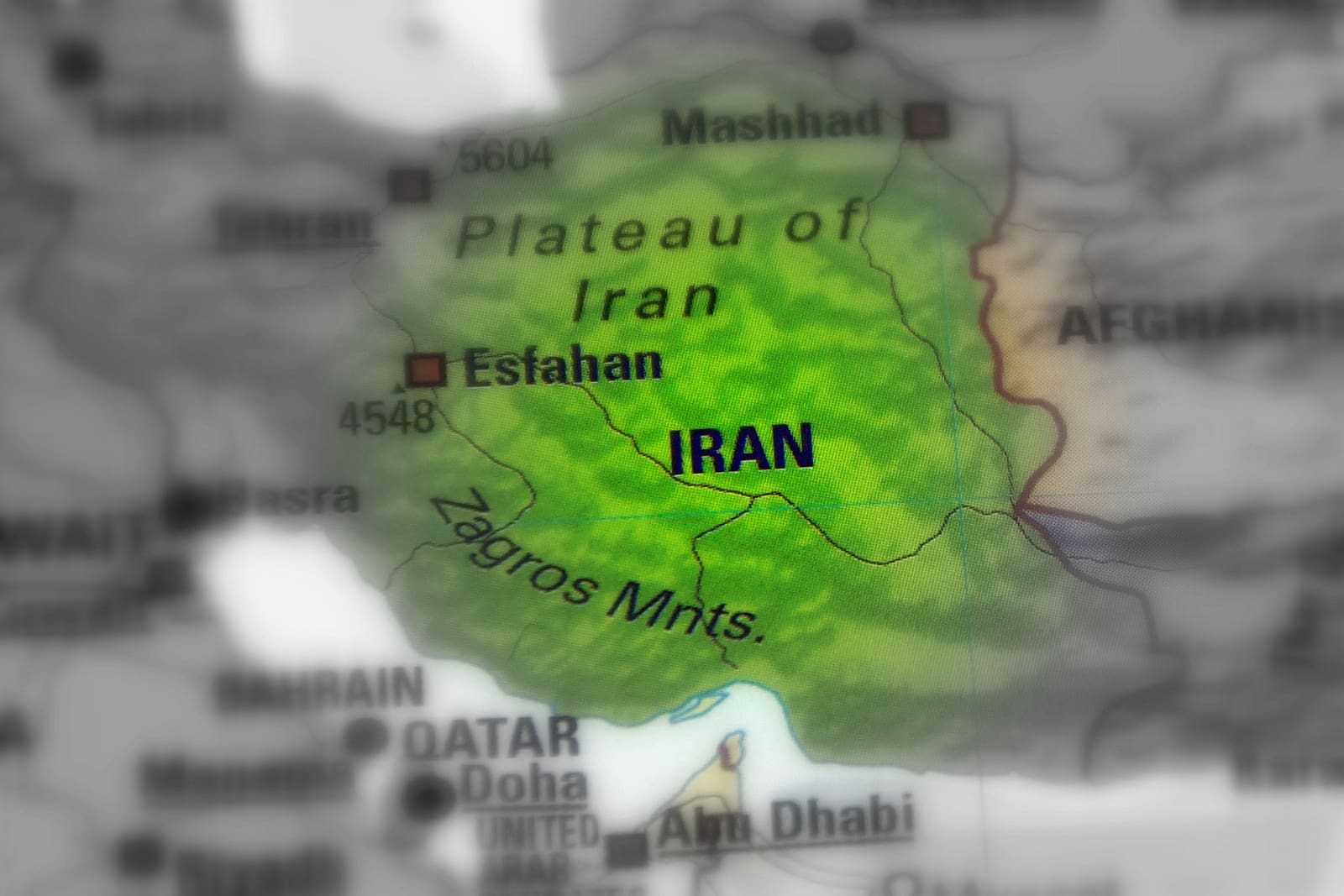
History
The history of a nation is often a tapestry woven from conquests, colonization, and social evolution. From ancient civilizations to modern states, significant events shape national identity.
Government
Government structures vary widely, from democracies to authoritarian regimes. Effective governance relies on institutions that uphold justice, maintain order, and promote the welfare of citizens.
Economy
Economies are driven by resources, innovation, and trade. Factors such as agriculture, manufacturing, and technology play pivotal roles, influencing growth and development. Globalization has interconnected economies, creating opportunities and challenges alike.
Culture
Culture encompasses language, art, religion, and traditions, reflecting a society’s values and beliefs. It influences everyday life, shaping social norms and community bonds. Cultural exchanges enrich societies, promoting diversity and understanding.
Global Influence
In our interconnected world, nations wield varying degrees of global influence, whether through economic power, military strength, or cultural exports. Soft power, such as media and diplomacy, can be as significant as hard power in shaping international relations. Nations today navigate complex global challenges, including climate change and humanitarian crises, requiring cooperation and collective action.
Each aspect—history, government, economy, culture, and global influence—interrelates, creating a dynamic framework for understanding contemporary society and its trajectory. Reflecting on these elements provides valuable insights into our shared global future.
For more details and the full reference, visit the source link below: