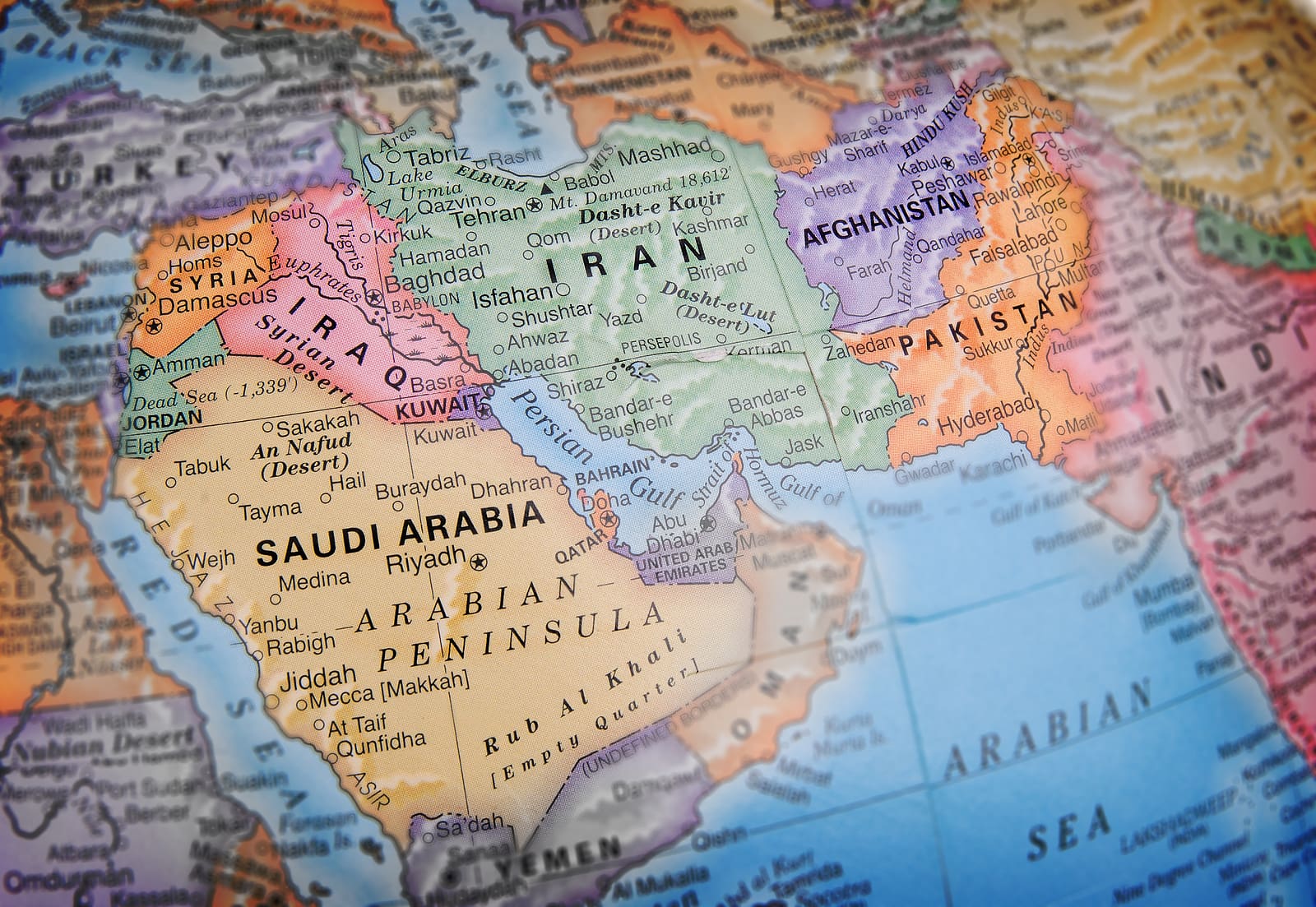
Amid escalating regional tensions, talks concerning Iran’s nuclear program have come to a standstill, signaling a precarious situation for both diplomatic efforts and geopolitical stability. While a fragile ceasefire remains in place, the pressure on negotiations continues to mount. Various stakeholders, including the United States and European allies, express growing concerns over Iran’s nuclear advancements alongside its involvement in regional conflicts.
Recent developments have seen Iran enriching uranium at unprecedented levels, casting doubt on the intentions behind its nuclear ambitions. This has exacerbated fears of a potential arms race in the Middle East, prompting neighboring countries to bolster their own defenses. A tenuous ceasefire has managed to hold, but the underlying tensions are palpable; incidents of skirmishes and rhetoric from both sides contribute to an atmosphere fraught with uncertainty.
International actors are scrambling to encourage dialogue but face challenges as domestic politics in many countries complicate a unified approach. The delay in negotiations raises the specter of military options being reconsidered, further endangering the ceasefire. With the balance of power shifting and multiple interests at play, finding a lasting solution remains imperative yet increasingly elusive. The stakes have never been higher as the world watches and waits, hoping for a breakthrough before tensions boil over.
For more details and the full reference, visit the source link below: