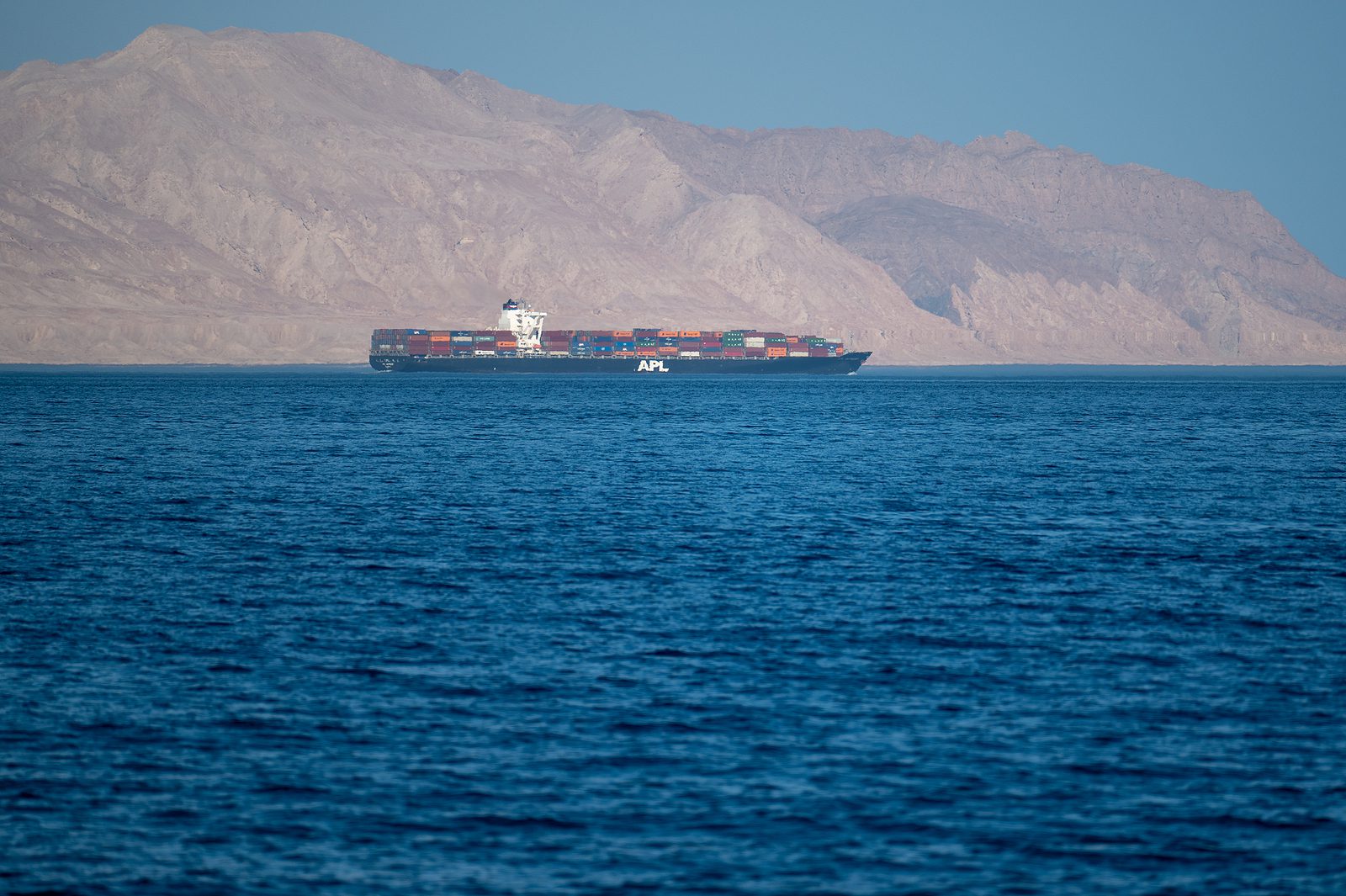
Iran has escalated its geopolitical maneuvering by demanding concessions from global powers before agreeing to any reopening of the Strait of Hormuz, a crucial maritime passage for oil shipments. The strait, which sees about 20% of the world’s oil supply transit, has been the focal point of tensions and conflicts, especially amid rising tensions between Iran and the United States.
Iranian officials have articulated that any discussions related to the Strait’s security must also address longstanding economic sanctions that have hampered the nation’s economy. They contend that concessions on sanctions must coincide with commitments to ensure safe passage for shipping vessels, reflecting Tehran’s leverage in controlling a critical chokepoint in global energy supplies.
This strategy may be an attempt to extract economic benefits while also asserting Iranian authority over its maritime territory. As the region grapples with fluctuating oil prices and heightened military presence from foreign powers, Iran’s demands signal its willingness to use the Strait’s strategic significance as a bargaining chip.
The implications of these negotiations could reverberate globally, impacting oil markets and diplomatic relations. Stakeholders around the world are closely monitoring Iran’s stance, understanding that the security of the Strait of Hormuz is paramount for stable energy supplies and regional security.
For more details and the full reference, visit the source link below: