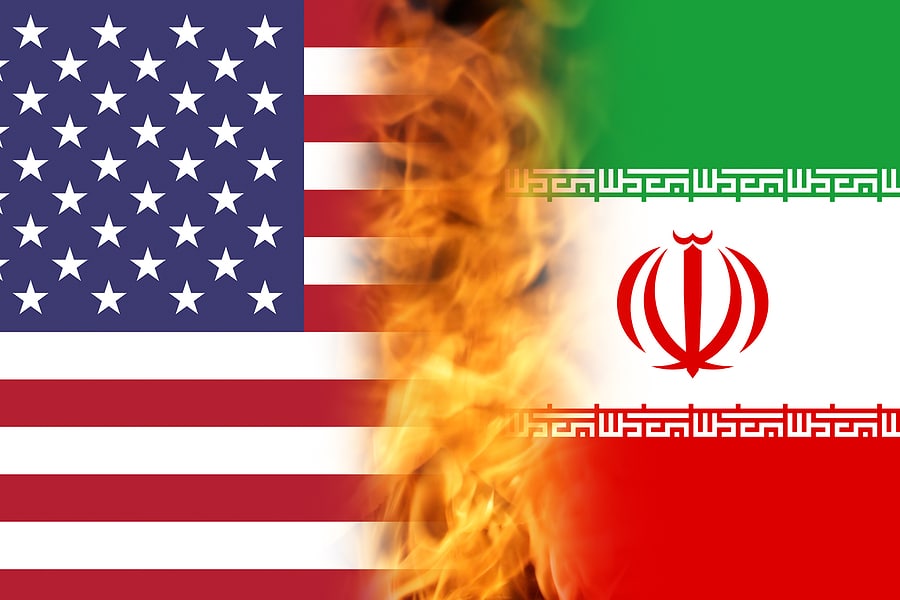
In a recent escalation of tensions in the Middle East, the United States conducted airstrikes on numerous Iranian sites in response to ongoing threats against US personnel and interests. These strikes targeted facilities linked to Iranian military operations, marking a significant military action in a region fraught with instability. The US government, citing self-defense, stated that the operations aimed to thwart Iranian aggression and protect American forces stationed in the area.
Simultaneously, Iran has retaliated by ramping up its attacks on US bases throughout the region. Utilizing proxy groups and missile strikes, Iran seeks to demonstrate its military capabilities and resolve. This reciprocal aggression raises concerns of a wider conflict, as both nations appear entrenched in a cycle of retaliation, with potential ramifications for regional security and global oil markets.
The international community watches closely, advocating for diplomatic resolutions to prevent further escalation. As the situation develops, the possibility of negotiations could offer a pathway to de-escalation. However, current hostilities indicate that both Washington and Tehran remain determined to assert their interests, complicating prospects for peace in an already volatile landscape. The fragile balance of power in the region hangs in the balance as these two powers engage in their precarious standoff.
For more details and the full reference, visit the source link below: